Questions about identity, purpose, and existence have occupied human thought for centuries. For some people, these questions inspire personal growth and self-discovery. For others, they may coincide with periods of emotional distress, anxiety, depression, or other mental health concerns.
This overlap often creates a complex experience where psychological symptoms and spiritual exploration seem deeply connected.
Understanding how mental health and spirituality intersect can provide valuable insight into human well-being. Rather than viewing these experiences through a single lens, many experts now recognize that both medical and spiritual perspectives may offer meaningful explanations and support.
Understanding the Connection
Mental health conditions and spiritual experiences can sometimes share similar characteristics. Intense feelings of connection, altered states of awareness, heightened sensitivity, and profound emotional shifts may appear in both spiritual practices and certain psychological conditions.
This similarity has led to ongoing discussions among mental health professionals, researchers, and spiritual communities. While some experiences may be linked to conditions such as depression, bipolar disorder, anxiety disorders, or neurological changes, others may be interpreted as part of a spiritual awakening or personal transformation.
The challenge lies in recognizing that not every spiritual experience is a sign of mental illness, and not every mental health symptom should be viewed solely through a spiritual framework.

Pexels | Polina Zimmerman | Similarities between psychological distress and spiritual breakthroughs spark ongoing debate across scientific and spiritual communities.
The Challenge of Finding Meaning
Many people encounter periods of deep reflection about life's meaning. Questions such as:
What is the purpose of life?
Who am I beyond my roles and achievements?
Why do suffering and uncertainty exist?
These questions are a natural part of human curiosity. However, when they become persistent and distressing, they may contribute to feelings of hopelessness, emotional exhaustion, or isolation.
Mental health professionals often refer to this state as an existential crisis. During such periods, individuals may struggle to find satisfaction in daily life, leading to symptoms commonly associated with depression or anxiety.
At the same time, spiritual traditions often encourage exploration of these very questions. This creates an area where psychological and spiritual experiences can overlap in meaningful ways.
Different Paths to Finding Answers
People seeking relief from emotional distress frequently explore multiple forms of support. These may include therapy, counseling, meditation, mindfulness practices, support groups, faith communities, self-development programs, or alternative healing approaches.
Each method offers a different perspective. Medical treatment focuses on understanding symptoms, improving functioning, and supporting emotional stability. Spiritual practices often focus on self-awareness, inner peace, purpose, and connection.
Neither approach necessarily invalidates the other. In many cases, individuals benefit from a combination of both.
The Role of Mental Health Care
Modern mental health treatment recognizes that emotional well-being involves biological, psychological, social, and environmental factors. Conditions such as depression, anxiety disorders, bipolar disorder, and certain neurological conditions can significantly affect thoughts, emotions, and behavior.
Professional support may include:
1. Therapy and counseling
2. Medication when appropriate
3. Lifestyle adjustments
4. Stress management techniques
5. Ongoing mental health monitoring
These interventions aim to reduce suffering and improve quality of life. For many individuals, they provide essential stability during difficult periods.
The Value of Spiritual Exploration
Spirituality often encourages reflection on identity, purpose, and personal values. Practices such as meditation, prayer, contemplation, and mindfulness can help individuals develop greater self-awareness and emotional balance.
Research has shown that spiritual practices may contribute to reduced stress, increased resilience, and a stronger sense of meaning. They can also provide community support and a framework for understanding life's challenges.
However, spiritual practices are most beneficial when approached with balance and awareness. They should not replace necessary medical care when serious mental health symptoms are present.
Can Both Perspectives Be True?

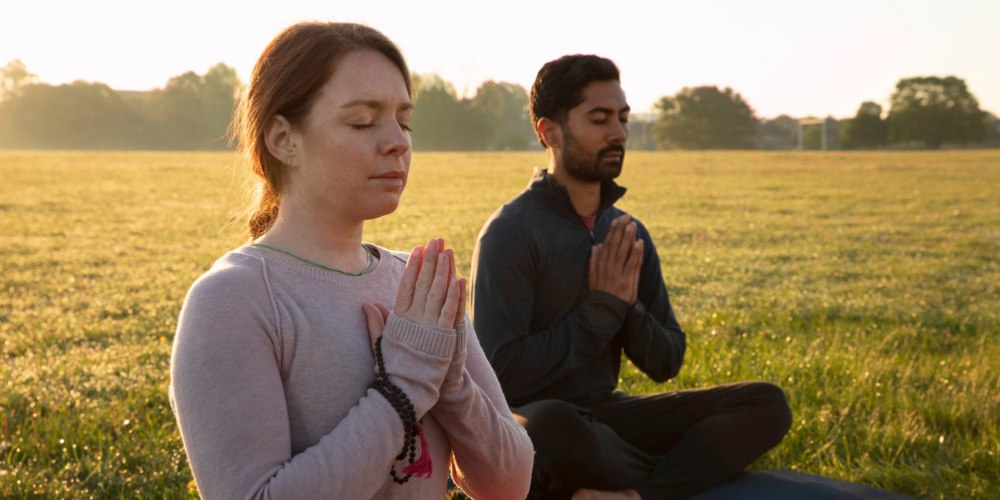
Pexels | Timur Weber | Experts increasingly recognize that psychological struggles and spiritual crises are deeply interconnected.
A growing number of mental health professionals and spiritual practitioners acknowledge that psychological and spiritual experiences are not always separate categories.
An individual may experience a mental health condition while also undergoing significant spiritual questioning. Likewise, a spiritual crisis may intensify existing emotional struggles.
Viewing these experiences as mutually exclusive can limit understanding. Instead, recognizing both dimensions may provide a more complete picture of what a person is experiencing.
This balanced perspective allows room for medical treatment while also respecting personal beliefs, spiritual practices, and the search for meaning.
Building a Healthier Relationship
Developing self-awareness is not always about finding immediate answers. Many people gradually move from seeking certainty to gaining a deeper understanding of themselves and their experiences.
A healthy approach to personal growth often involves emotional awareness, realistic expectations, supportive relationships, and the willingness to seek professional help when needed. It also requires accepting that some questions may not have clear or immediate answers.
Mental health and spirituality can influence one another in meaningful ways. Emotional challenges may spark questions about identity and purpose, while spiritual exploration can shape how those experiences are interpreted.
Rather than viewing these perspectives as opposing forces, many experts recognize that medical care and spiritual practices can coexist to support well-being, self-awareness, and personal growth.