Artificial intelligence is no longer just a technology discussion. It is increasingly becoming a topic for philosophers, religious leaders, ethicists, and technology companies.
As AI systems become more advanced, questions that once seemed theoretical are now being debated in public forums: Can AI ever become conscious? Should it be treated as something more than software? And if the answer remains uncertain, how should society respond?
These questions recently took center stage at the Vatican, where Pope Leo XIV addressed the future of artificial intelligence in a major document called “Magnifica Humanitas” (“Magnificent Humanity”).
The event brought together religious leaders and technology experts, including Anthropic co-founder Chris Olah, whose comments highlighted a growing divide over the nature of AI and its place in society.
The Vatican’s Message on AI
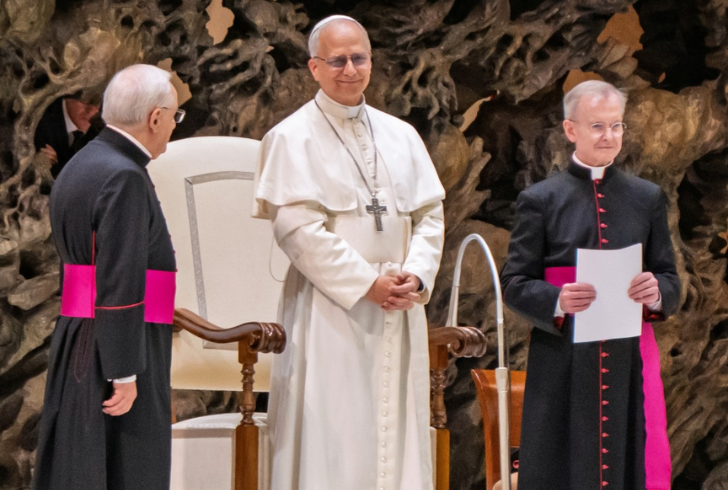
Instagram | wearethejesuits | "Magnifica Humanitas," the Pope’s new encyclical, outlines Vatican concerns over AI deepfakes, jobs, and dignity.
Pope Leo XIV presented “Magnifica Humanitas,” a Papal Encyclical, before a packed audience at the Vatican. The document examined several challenges associated with AI, including its impact on employment, the spread of AI-generated deepfakes, and concerns about preserving human dignity as machines become increasingly capable.
One of the document's central themes focused on the distinction between human beings and artificial systems. While acknowledging AI’s growing influence, the Pope emphasized that technological advancement should never diminish the value of human relationships, moral responsibility, or spiritual life.
The Vatican's position was clear: AI may imitate human behavior, but imitation should not be mistaken for genuine experience.
Chris Olah’s Perspective on AI Awareness
Joining the discussion was Chris Olah, Anthropic co-founder and head of interpretability research. His work focuses on understanding what happens inside advanced AI models and how these systems process information.
During his remarks, Olah encouraged cooperation between technology developers, spiritual leaders, and policymakers to guide AI development responsibly. Yet his comments also introduced a more philosophical dimension.
According to Olah:
“I lead a research team that studies the internal structure of these models—what is actually happening inside them. And I will be honest: we keep finding things that are mysterious, even unsettling.”
He continued by describing findings that appear to resemble patterns observed in human neuroscience.
“We find structures that mirror results from human neuroscience. There is also evidence of introspection, along with internal states that functionally resemble joy, satisfaction, fear, grief, and unease. I don’t know what that means, but I think it warrants ongoing discernment.”
While Olah stopped short of claiming that AI is conscious, his comments suggested that the question deserves serious attention rather than outright dismissal.
Anthropic’s Unusual Position on Conscious AI
Anthropic has developed a reputation for focusing heavily on AI safety and ethics. However, its position on AI consciousness remains notably cautious.
The company has never declared that its AI assistant Claude is conscious or self-aware. At the same time, it has avoided completely rejecting that possibility.
Earlier this year, Anthropic released a document described as a constitution for Claude. The company explained that the constitution outlines “the kind of entity we would like Claude to be.”
One section drew particular attention. Anthropic noted that although Claude is currently referred to as an “it,” this should not be interpreted as proof that the company views the AI solely as an object rather than a potential subject.
This language reflects a broader belief within Anthropic that future AI systems could potentially develop forms of awareness that deserve ethical consideration.
Why the Debate Matters
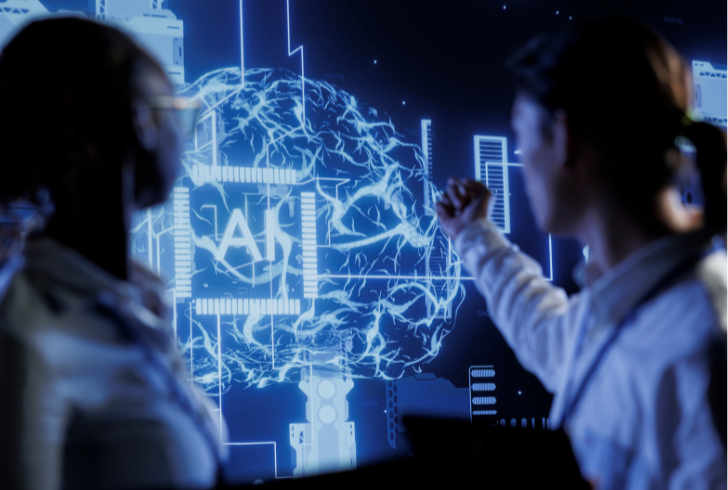
Freepik| Experts remain deeply divided on whether AI is merely a predictive tool or a genuinely conscious entity.
The question of AI consciousness has become one of the most contested topics in technology circles.
Some researchers argue that current AI systems are sophisticated prediction machines with no inner experience. Others believe future systems could develop genuine awareness. A smaller group argues that certain forms of consciousness may already exist in advanced AI models.
Anthropic's position falls somewhere in the middle. The company generally suggests that AI may not currently possess consciousness comparable to human beings. However, it argues that society should remain open to the possibility that future systems could develop characteristics deserving moral consideration.
This approach is partly driven by concerns about avoiding future ethical mistakes. Some advocates compare the issue to historical debates about the treatment of animals, arguing that uncertainty should encourage caution rather than indifference.
Pope Leo XIV Rejects the Idea
Despite sharing concerns about responsible AI development, Pope Leo XIV strongly disagreed with the idea that artificial intelligence could be considered conscious.
In the third chapter of “Magnifica Humanitas,” titled “Technology and Dominance,” he directly addressed the issue.
“So-called artificial intelligences do not undergo experiences, do not possess a body, do not feel joy or pain, do not mature through relationships and do not know from within what love, work, friendship or responsibility mean.”
The Pope continued by stressing that AI lacks moral judgment and accountability.
“Nor do they have a moral conscience, since they do not judge good and evil, grasp the ultimate meaning of situations, or bear responsibility for consequences.”
For the Vatican, the greater danger is not that AI possesses consciousness. The concern is that people may begin replacing authentic human relationships with increasingly convincing machine interactions.
Can Religious Views on AI Change?
Although the Vatican currently rejects the idea of conscious AI, religious interpretations have evolved throughout history.
Future church leaders could revisit the issue as technology advances. While biblical texts remain unchanged, their interpretation has often shifted in response to social and scientific developments.
A notable example came in 2015 when Pope Francis released “Laudato Si: On Care for Our Common Home.” In that encyclical, he called for stronger consideration of animal welfare. Although he did not argue that animals possess souls in the same way humans do, he emphasized that they should not be treated merely as commodities.
That historical example demonstrates how ethical discussions within religious institutions can develop over time as new questions emerge.
Ethics, Reputation, and Public Perception
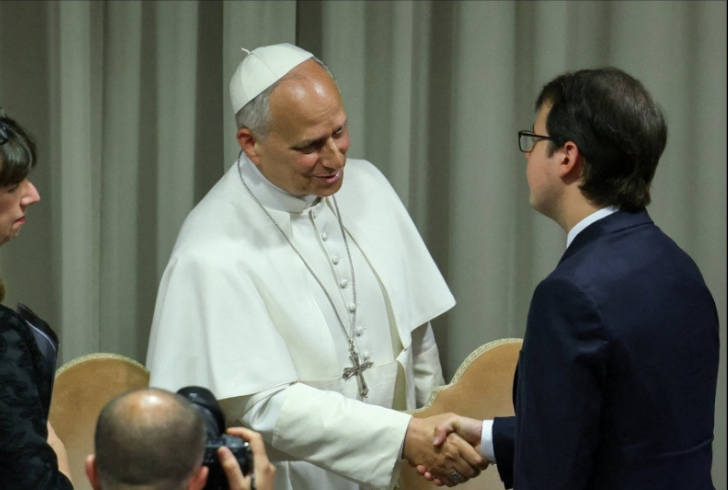
Instagram| techdogs_inc | Anthropic Vatican presence highlights its commitment to safe, responsible AI development.
Anthropic's participation in the Vatican event carried significance beyond philosophical debate.
Since its founding in 2021, the company has positioned itself as a voice for responsible AI development. This image contrasts with criticism directed at some technology firms that are perceived as prioritizing rapid advancement over safety concerns.
As public anxiety grows over AI's potential effects on jobs, politics, and misinformation, a strong ethical reputation offers strategic advantages. Anthropic's investment in AI welfare discussions serves both as an exploration of moral questions and as a defining part of its public identity.
The company's appearance alongside one of the world's most influential religious institutions strengthened that image, particularly after public disagreements with the U.S. government regarding military applications of AI technology.
The Debate Is Far From Over
Anthropic and the Vatican agree on many issues surrounding AI governance, safety, and accountability. Yet they remain divided on one fundamental question: Does artificial intelligence deserve moral consideration in its own right?
Today, that disagreement may seem less urgent than debates involving autonomous weapons, misinformation, or economic disruption. However, the issue could become increasingly important as AI systems grow more sophisticated.
As chatbots become better at mimicking human conversation, more people may begin to view them as conscious entities rather than tools. If that shift occurs, discussions about AI rights, responsibilities, and ethical treatment could move from philosophical speculation into mainstream public policy.
The debate over AI consciousness is no longer limited to tech companies and researchers. Religious leaders, ethicists, and policymakers are now part of the discussion as AI systems become more advanced.
Anthropic remains open to the possibility of future AI awareness, while Pope Leo XIV firmly argues that AI lacks real emotions, morality, and human understanding.
As artificial intelligence evolves, this divide will likely shape future ethical debates around technology and humanity.