Kedarnath holds deep religious importance as one of the 12 Jyotirlingas dedicated to Lord Shiva. It draws thousands of pilgrims seeking peace, devotion, and spiritual clarity. Yet recent conditions around the shrine have raised difficult questions about responsibility, respect, and preservation of sacred spaces.
A viral video showing waste flowing like a “garbage waterfall” near the temple has drawn widespread concern. Plastic wrappers and polybags mixed with stream water have made visible what has long been building beneath the surface of overcrowding and poor waste handling.
Bhai yh sb kya ho rha Kyu ek acchi jagh barbaad krne pr lage ho ☹️ pic.twitter.com/r7xlAm6669
— Wellu (@Wellutwt) April 25, 2026
According to a PTI report, Kedarnath generated 17.6 metric tonnes of garbage between May and July 2025. This information came through a RTI response by Nagar Panchayat Kedarnath, filed by environmentalist Amit Gupta. Out of this, only 7.1 metric tonnes were processed or recycled. The remaining 10.5 metric tonnes was dumped untreated, raising serious environmental concerns. Untreated sewage was also reported entering the Mandakini and Saraswati rivers, adding pressure on already fragile ecosystems.
When Pilgrimage Turns Into Public Display
The spiritual journey to Kedarnath has gradually taken on a different form due to rising tourist behavior patterns. The growing rush to capture content for social media, especially short videos and reels, has shifted focus away from reflection and discipline.
To control disruptions, authorities have imposed a ban on mobile phones within the temple premises. This step reflects how digital activity has started interfering with the sanctity of the pilgrimage experience.
Kedarnath is not designed as a leisure destination. It is part of the Char Dham circuit, located in a sensitive Himalayan zone where ecological balance is already under strain. Continuous footfall, waste accumulation, and unmanaged activity are accelerating environmental stress across the region.
The Char Dham region faces natural limits that cannot absorb unchecked human pressure. Increased crowds bring challenges such as soil degradation, water pollution, and unmanaged solid waste. These changes are gradually altering the natural condition of the area that supports both spiritual and ecological balance.
The situation reflects a growing gap between devotion and discipline. Pilgrimage routes require careful conduct, yet waste generation continues to exceed what local systems can manage.
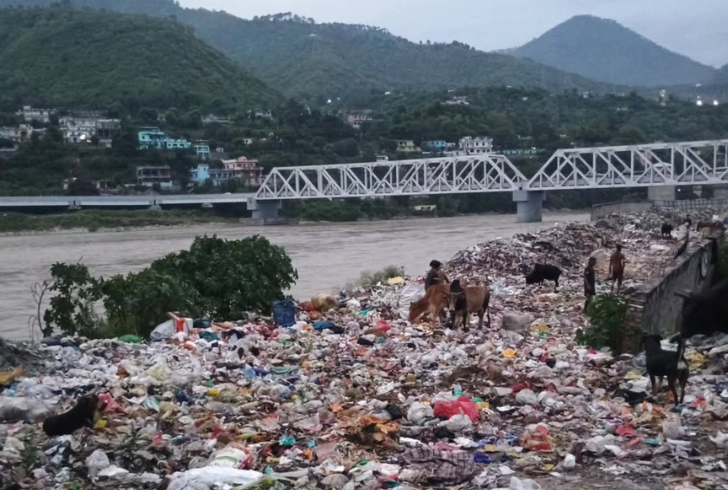
Instagram | @uneditedindia | Rising waste and poor management now pollute sacred rivers and put heavy stress on the fragile mountain environment.
Animal Welfare Concerns on the Route
Another serious concern involves the treatment of animals used for transport on the Kedarnath route. Horses, mules, and donkeys carry pilgrims through steep terrain, often under harsh conditions. Reports over the years have highlighted neglect, exhaustion, and abandonment once these animals are no longer useful at high altitudes.
A disturbing case reported in 2023 showed a mule being forced to inhale smoke, suspected to be cannabis, through a cigarette placed in its nostril. Such incidents point to severe misuse and lack of oversight in animal handling practices on the route.
Lord Shiva is also known as Pashupatinath, meaning protector of all living beings. This identity extends the idea of respect beyond humans to every form of life that shares the sacred landscape.
Pilgrimage carries meaning only when awareness matches movement. Sacred journeys are not defined by arrival alone but by conduct along the way. Waste left behind, rivers polluted, and animals mistreated all reflect a disconnect from the values these places represent.
True spiritual practice reflects responsibility toward the environment, living beings, and the fragile regions that host these ancient paths.