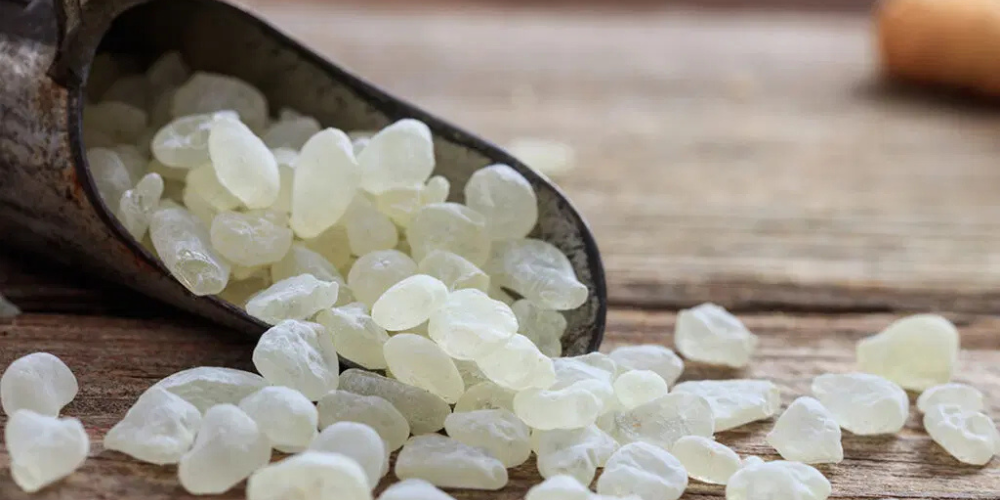
Honey has moved beyond the kitchen and into skin care products, where it appears in masks, moisturizers, cleansers, serums, and balms. The ingredient is often linked with softer, calmer, and better-hydrated skin. But that does not mean every honey product will deliver the same results.
Dermatologists say honey can benefit certain skin types, especially dry or mildly irritated skin. Still, the type of honey, the formula around it, and the way it is used all matter. Applying a spoonful of kitchen honey to the face is also not the same as using a product made specifically for skin.
Why Honey May Help Skin
One of honey’s main skin care benefits comes from its ability to hold moisture. Dr. Anetta Reszko, a board-certified dermatologist in New York, explains that “honey acts as a humectant, meaning it helps attract and retain water in the skin.” This can leave the skin feeling softer and smoother.
Hydration makes honey especially interesting for people with dry or dehydrated skin. When the skin lacks moisture, it can feel tight, rough, or uncomfortable. A well-formulated honey product can help add moisture while supporting the skin’s protective barrier.

Freepik As a natural humectant, honey attracts and retains moisture to make skin feel softer and smoother.
Honey may offer other benefits, too. Reszko notes that certain types of honey have “antimicrobial and anti-inflammatory properties.” Because of these qualities, honey-based skin care may suit dry, dehydrated, or mildly irritated skin.
Dr. Ava Shamban, a board-certified dermatologist and founder of Ava MD, points to a broader range of properties. She says honey is “antibacterial, anti-inflammatory and anti-fungal, amongst other positive benefits.”
These properties help explain why honey continues to appear in skin care formulas. However, they should not be treated as a cure for skin conditions.
Honey and Skin Texture
Hydration is not the only reason honey attracts attention. Dr. Shamban also describes honey as a “natural clarifier and exfoliator.”
Honey may help loosen dead skin cells from the surface. That can make skin feel smoother and help keep pores clearer. Its action can also be less abrasive than scrubbing the face with rough particles.
That distinction matters for people who dislike harsh physical exfoliants. Still, honey should not replace proven exfoliating ingredients in every routine. The best choice depends on the skin’s needs and the rest of the formula.
Should Raw Honey Go on Your Face?
The idea of using raw honey as a face mask may sound simple, but dermatologists generally prefer products formulated specifically for skin.
Dr. Reszko says, “Raw honey may provide temporary hydration and soothing benefits, but I generally prefer a properly formulated skin care product rather than recommending food-grade honey directly on the skin.”
Food-grade honey is not standardized for dermatologic use. Its composition can vary based on its botanical source and how it was processed. It can also feel sticky and difficult to spread evenly.
A skin care formula, by comparison, is designed with other ingredients, texture, stability, and intended use in mind. That makes a formulated product more predictable than reaching into the pantry.
Which Products Work Best?
Honey does not have the same role in every type of skin care product. According to Reszko, it works best in products intended to “hydrate, soothe and support the skin barrier.”
These may include moisturizers, hydrating masks, balms and serums.
Leave-on products can give honey more time to remain on the skin. A cleanser, on the other hand, gets rinsed away quickly. That may limit the practical effect of honey compared with a moisturizer or serum that stays on the face.
The other ingredients also deserve attention. Reszko says honey’s humectant properties can complement “glycerin, hyaluronic acid, ceramides and other barrier-supporting ingredients.”
This combination can provide a more complete approach to hydration. Honey attracts moisture, while ingredients such as ceramides help support the skin barrier.
Who Should Be Careful?
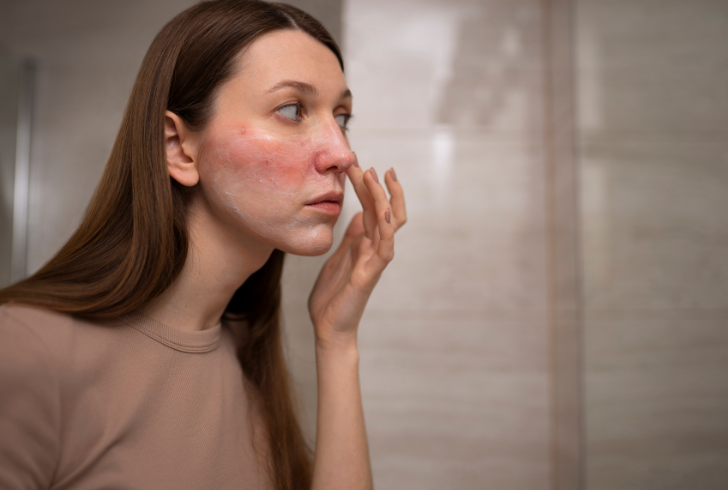
Freepik | Although safe for most, honey skincare can trigger reactions in people with bee or pollen allergies.
Most people tolerate honey-based skin care without major problems. However, it is not suitable for everyone.
Reszko advises caution for anyone with a known allergy or sensitivity to honey, bee-derived products, pollen, or plant allergens. Those sensitivities can make certain honey-containing products a poor choice.
A patch test can help reduce the chance of an unpleasant reaction when trying a new product. Apply a small amount to an inconspicuous area, such as the inner arm, and watch for irritation before putting it on the face.
Anyone unsure about an allergy or sensitivity should discuss the concern with a dermatologist or allergist.
How to Choose a Honey Skin Care Product
A honey label alone does not make a product effective. The complete ingredient list and product type matter more.
When comparing options, consider:
1. Formula - Look for honey alongside proven moisturizing or barrier-supporting ingredients.
2. Product type - Leave-on formulas may make better use of honey’s hydrating properties.
3. Skin needs - Dry and mildly irritated skin may benefit more than oily or acne-prone skin.
4. Sensitivity - Check the ingredients carefully if there is a history of reactions to bee products or pollen.
5. Texture - A product should feel comfortable enough to use consistently.
It also helps to keep expectations realistic. Honey can support hydration and comfort, but it does not automatically solve every skin concern.
Honey can be a useful skin care ingredient, especially for dry or mildly irritated skin. Its moisture-binding properties may help keep skin soft and hydrated, while some varieties also have soothing and antimicrobial qualities.
However, food-grade honey is not the same as a product formulated for facial skin. People with allergies to honey, bee products, pollen, or related plant allergens should also take precautions and patch-test new products before use.