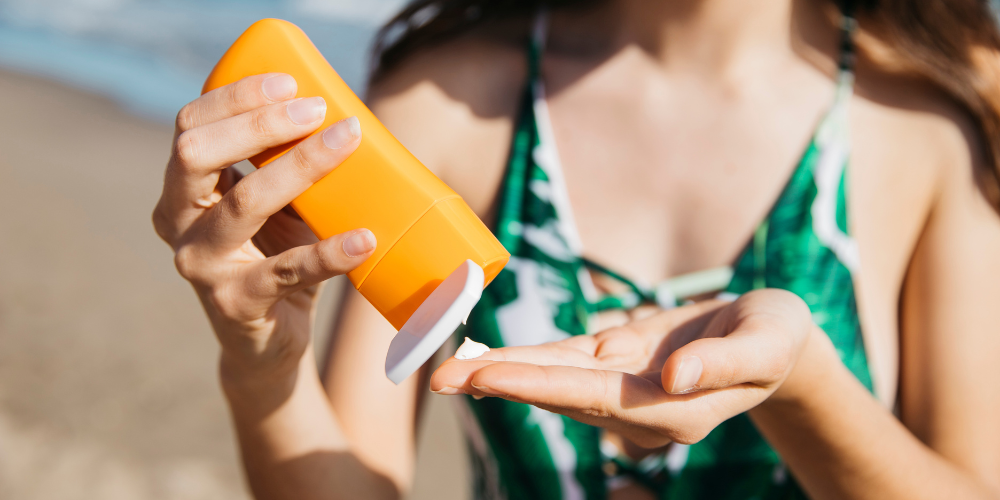
A typical American bathroom is filled with personal care essentials, from shampoo and conditioner to moisturizer, sunscreen, deodorant, and makeup. Research estimates that the average household keeps nearly 40 beauty and personal care products within easy reach.
While these items support daily routines, the packaging left behind creates a growing environmental concern. Many containers appear recyclable, yet a large share never becomes new packaging. Instead, they end up in landfills after passing through the recycling system—or without being recycled at all.
The scale of this issue is difficult to ignore. In 2018, manufacturers in the United States produced 7.9 billion rigid plastic units for beauty and personal care products alone. This figure excludes flexible tubes, sachets, aerosol cans, cardboard cartons, and shipping materials.
Worldwide, the cosmetics industry generates an estimated 120 billion packaging units every year. The difference between packaging labeled as recyclable and packaging that is actually recycled continues to widen.
What Is Curbside Recycling?
Most people assume that tossing empty beauty containers into the recycling bin is enough. The reality is much more restrictive.
Materials Recovery Facilities (MRFs), often called "murphs," are designed to sort a limited range of materials. These facilities primarily process cardboard, paper, aluminum cans, glass bottles, and rigid plastic containers made from PET (#1) or HDPE (#2). To move through the sorting equipment, plastic items generally need to measure at least 2 inches on one side.
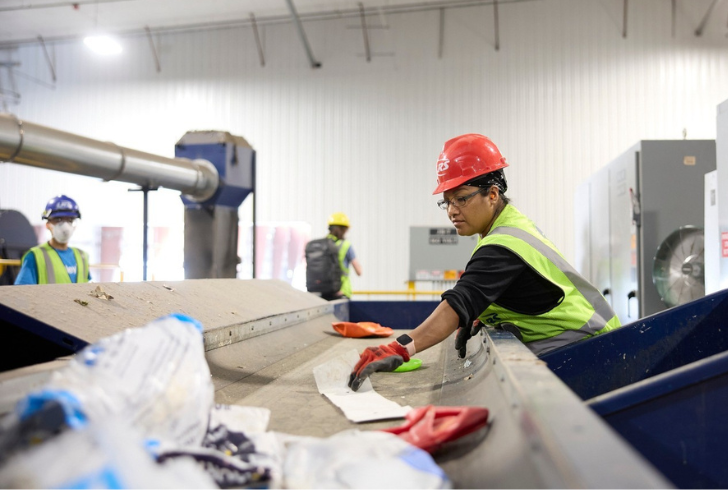
Instagram | recyclingpartnership | MRFs only sort specific recyclables, including paper, glass, and plastics larger than 2 inches.
This means only a handful of bathroom products qualify for curbside recycling. In most communities, accepted items include:
- Large HDPE #2 shampoo bottles
- Conditioner bottles made from PET (#1) or HDPE (#2)
- Some body wash bottles
- Full-size liquid soap bottles after removing the pump
Many other cosmetic containers fail to meet recycling requirements because of their size or mixed materials.
Why Beauty Packaging Ends Up in Landfills
A surprising number of cosmetic packages are built from several materials fused together. These combinations make recycling difficult because sorting machines cannot separate them efficiently.
Common items that are usually rejected include mascara tubes and wands, lipstick tubes, makeup compacts with mirrors, travel-size bottles, deodorant sticks, tinted plastic jars, pump dispensers, and aerosol cans that still contain product. Black plastic creates another challenge because optical sorting equipment at many recycling facilities cannot detect it accurately.
Another growing problem is wishcycling—placing questionable items into the recycling bin with the hope that someone else will sort them later. Instead of helping, this practice often contaminates recyclable materials.
A single non-recyclable beauty item, such as a mascara wand or mixed-material pump, can contribute to an entire batch being rejected and redirected to a landfill.
Programs Filling the Recycling Gap
Since curbside recycling accepts only a small portion of beauty packaging, several organizations have introduced collection programs designed specifically for cosmetic waste.
One of the largest is Pact Collective, a nonprofit launched in 2021 with retail partners including Ulta, L'Occitane, Nordstrom, and Credo Beauty.
According to its 2024 Impact Report, the organization collected more than 227,000 pounds of beauty packaging through approximately 3,300 collection bins across the United States and Canada. It also reached an estimated 546,000 consumers, more than doubling its participation compared with 2023.
These figures highlight increasing public interest in responsible disposal, even though the amount collected remains a small fraction of the industry's annual packaging output.
Alternatives That Reduce Waste
Another well-known recycling option is TerraCycle, which offers Zero Waste Boxes for personal care packaging. These collection boxes accept items that curbside recycling usually rejects, including tubes, razors, mascara wands, nail polish bottles, compacts, and beauty accessories.
Depending on the box size, prices generally range from $131 to $343, making the program more practical for households or organizations that collect a larger volume of waste.
Several beauty brands also run their own take-back programs. Origins accepts empty cosmetic packaging from any brand at its retail stores without requiring a purchase. Kiehl's operates a similar in-store collection program.
While each company manages collected materials differently, these initiatives help divert packaging that would otherwise head to landfills.
How Packaging Design Is Changing
Many companies are shifting attention from recycling to designing products that create less waste from the start.
Solid beauty products have become one of the most practical solutions. Shampoo bars, conditioner bars, toothpaste tablets, solid deodorants, and waterless concentrates remove the need for traditional plastic bottles.
Brands such as Lush, Ethique, HiBar, and Unwrap Life have built product lines around this concept. Larger manufacturers, including Unilever and Procter & Gamble, have also introduced solid-format products under established brands.
The market reflects growing consumer interest. In 2025, the global shampoo bar market reached an estimated $11.57 billion and continues to grow at roughly 6% annually. Although liquid products still dominate hair care, solid alternatives have become a recognized part of the industry rather than a specialty category.
Refillable packaging is also gaining momentum. Stores operated by Kiehl's, Lush, and a growing number of independent beauty retailers now offer refill stations for selected products. The goal is simple: use one durable container repeatedly instead of replacing it after every purchase. While large-scale refill systems still face logistical challenges, more retailers continue to test and expand these programs.
New Packaging Rules for Brands
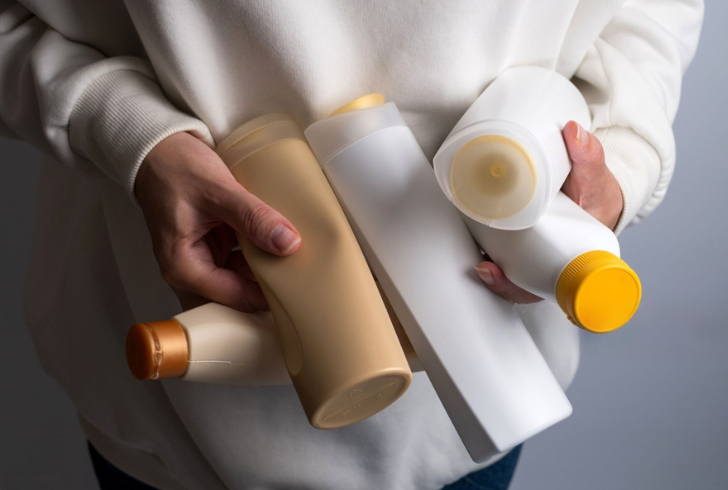
Freepik | Reduce beauty waste by choosing highly recyclable plastics, refills, solid bars, and better recycling habits.
Governments are also placing greater responsibility on manufacturers through Extended Producer Responsibility (EPR) laws.
Oregon began enforcing its comprehensive packaging EPR program on July 1, 2025. Companies selling products in the state must join a producer responsibility organization and pay fees based on both the amount of packaging they produce and how recyclable those materials are.
Other states are moving in the same direction. California is reviewing its regulations, with producer fees expected in late 2026. Colorado, Minnesota, Maryland, Maine, and Washington are also implementing their own EPR programs.
As a result, many national brands are adopting packaging that meets these standards instead of producing different versions for individual states.
The Cost Consumers Already Cover
Beauty packaging carries a price long before it reaches a recycling bin.
Americans spend an average of $303 per person each year on beauty products, with annual household spending averaging $1,064 for women and $728 for men across personal care categories. Every purchase includes the cost of packaging materials, manufacturing, printing, and transportation.
When packaging ends up in landfills, communities also bear the costs of waste collection, landfill operations, and recycling contamination. Extended Producer Responsibility (EPR) laws help shift part of this financial burden to manufacturers by requiring them to support recycling infrastructure.
Although many cosmetic packages display recyclable labels, they often aren't recycled because they are made from mixed materials, are too small for sorting equipment, or aren't accepted by local curbside programs. For these items, take-back initiatives like Pact Collective, TerraCycle, Origins, and Kiehl's offer alternative recycling options.
Consumers can further reduce beauty packaging waste by choosing products in PET (#1) or HDPE (#2) containers, removing pumps before recycling, selecting refillable packaging, and switching to solid products such as shampoo bars, conditioner bars, toothpaste tablets, and deodorant bars.
Together, smarter purchasing choices, better packaging design, and stronger recycling policies can significantly reduce cosmetic waste sent to landfills.