“Glazed donut skin,” “glass skin,” “butter skin,” and the “clean girl aesthetic” may sound like harmless social media trends, but they can create real pressure for teenagers.
TikTok and other platforms often present these looks as simple beauty goals, yet achieving them may involve multiple skincare products, expensive routines, and unrealistic expectations about how young skin should look.
For parents, the bigger concern is not whether a teenager enjoys skincare. It is whether online beauty content is making them feel that their natural appearance needs to be corrected.
What Are These Beauty Trends?
@valentinavidartes products used: • skin1004 centella ampoule foam • rhode glazing milk & peptide glazing fluid • klairs midnight blue cream • skin1004 centella air fit sunscreen light #skincare #skincareasmr #fyp #grwm #cleangirl ♬ tulsa jesus freak x cinnamon girl mashup ldr - darlana ♪‧₊˚
Many viral skincare trends begin when creators give a memorable name to a particular beauty routine. The catchy labels can make complicated routines seem easy to copy.
“Glazed donut skin” became widely known after Hailey Bieber, founder of Rhode, described her nighttime standard as looking like a glazed donut before going to bed. The look focuses on skin that appears shiny, smooth, hydrated, and dewy. Routines associated with it can include toners, serums, eye creams, moisturizers, and facial mists layered together.
“Glass skin” takes a slightly different approach. The goal is a clear, highly reflective complexion that appears almost translucent. “Butter skin,” meanwhile, focuses on a soft, smooth and velvety finish rather than a very glossy appearance.
The “clean girl aesthetic” goes beyond skincare. It usually combines moisturized skin with slicked-back hair, simple clothing, gold hoop earrings, and a polished but minimal appearance. Social media posts often present the style as effortless, even though achieving it may require several products and considerable time.
Why Teen Skincare Can Become a Problem
Teenagers have always followed fashion and beauty trends. Skincare deserves more attention because some products promoted online may not be appropriate for younger skin.
Teenagers may purchase products without guidance from a dermatologist or another qualified professional. Some viral routines also include ingredients designed for concerns such as signs of aging. Using unnecessary or unsuitable products can irritate young skin instead of improving it.
There is another issue: these trends often present one narrow version of attractive skin. The ideal is usually smooth, glowing and free of visible blemishes. That standard can be particularly difficult for teenagers dealing with acne, hormonal changes or other normal skin concerns.
Dr. Betsy Kennard, a pediatric psychologist, says young teens can be especially responsive to content suggesting that a product will help them become more like their peers. She notes that social comparison, particularly among young girls, can increase pressure to pursue an “improved” appearance.
That pressure can turn an ordinary skincare routine into a constant search for something to fix.
The Cost Can Add More Pressure
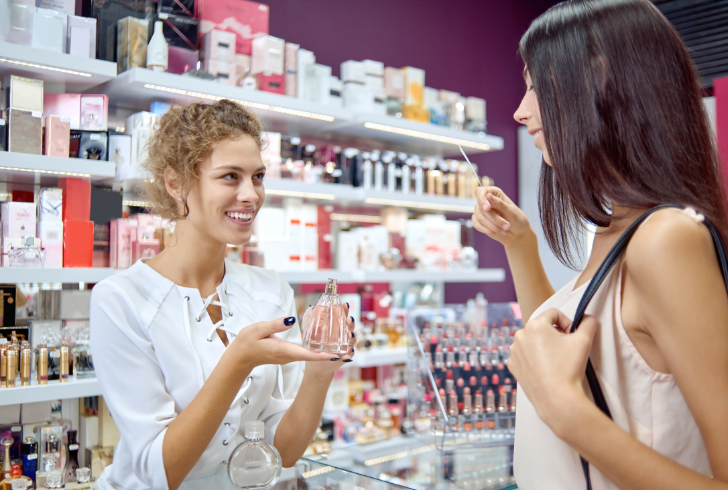
Freepik | Expensive beauty trends fuel feelings of exclusion among teens who cannot afford high-end routines.
Viral beauty routines can also create a financial divide among teenagers.
Dr. Leah Clionsky, a licensed psychologist and founder of Thriving Child Center, points out that some families cannot easily afford dermatologists, facials or premium skincare products. When a trend depends on costly products and professional treatments, teenagers with fewer financial resources may feel that they cannot keep up.
The problem is not limited to money. Some popular aesthetics also raise concerns about cultural appropriation.
The “clean girl aesthetic,” for example, often features slicked-back hair and gold hoop earrings—styles that Black and brown women have worn for decades. Yet many influencers credited with popularizing the aesthetic are white women.
The trends may also leave some teenagers feeling excluded because their natural features do not fit the look being promoted. Curly, coarse or thick hair may not match the styling commonly shown online. The same can apply to teens with cystic acne, vitiligo, eczema or other visible skin conditions.
Social Media Can Affect Self-Esteem
Beauty content does not have to openly insult teenagers to affect their confidence. Repeated exposure to carefully presented images can gradually change how young people judge themselves.
Dr. Clionsky explains that teenagers may understand that social media is not completely realistic but still struggle to remember that people do not maintain those polished appearances all day, every day. Constant comparison with highly curated images can lower self-esteem when teenagers believe they cannot match what they see.
Beauty pressure can also connect appearance with self-worth.
A teenager who receives frequent compliments for maintaining a certain look may begin to believe that the appearance itself defines their value. On the other hand, criticism about their looks can cause embarrassment and weaken confidence.
Cheryl Groskopf, LMFT, a holistic therapist, encourages parents to watch for behavioral changes, especially when a teenager spends significant time on social media or becomes intensely focused on a particular aesthetic.
The signs may not always look like obvious insecurity. A teen might spend more time checking perceived flaws, comparing their appearance with others, or searching for new ways to change features that were never actually a problem.
How Parents Can Start the Conversation
Talking about beauty trends does not have to become an argument about social media.
Dr. Clionsky recommends asking teenagers what they think about the trends they see online. The goal is to understand whether the routine feels enjoyable or whether it creates pressure and distress.
A relaxed conversation can be more productive than criticizing a teenager's favorite creator or skincare routine. Questions about why a trend appeals to them can reveal whether they are experimenting with style or trying to meet expectations from friends and social media.
Parents can also help by separating skincare from self-worth. Enjoying makeup, haircare or skincare is not inherently harmful. These activities can simply be hobbies. The concern begins when appearance becomes a requirement for feeling accepted or attractive.
Parents Set an Example
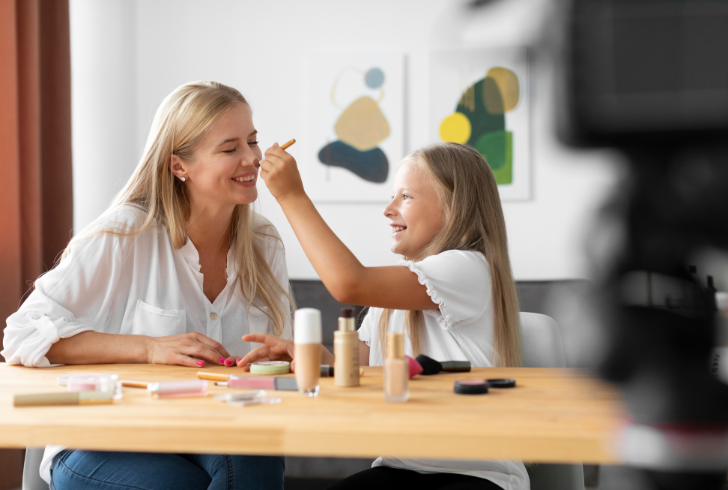
Freepik | Parents must monitor their own self-image habits, as teenagers absorb those negative attitudes.
Teenagers pay attention to how adults talk about their own appearance.
Dr. Clionsky advises parents to notice whether they frequently criticize themselves, worry about their looks or obsess over beauty trends. Even without a direct conversation, teenagers can absorb those attitudes.
A healthier example involves treating beauty and personal care as choices rather than obligations. Skincare can be part of a routine without becoming a measure of personal value.
It can also help to remind teenagers that social media images are selected, edited and carefully presented. A polished photo does not show every blemish, bad hair day or moment when someone simply did not think about their appearance.
Put Beauty Trends Into Perspective
Beauty trends rarely stay popular forever. A routine that dominates TikTok today may be replaced by a completely different aesthetic later.
Dr. Clionsky suggests using that history to help teenagers see trends with some distance. Parents can even show teenagers photos from their own high school years and discuss what was considered fashionable at the time.
That simple comparison can demonstrate how quickly beauty standards change.
Instead of trying to maintain one approved look, teenagers can be encouraged to experiment with personal style and decide what they genuinely enjoy. Their appearance does not need to follow a social media formula to have value.
Viral skincare trends are not automatically harmful, and teenagers can enjoy beauty products without developing unhealthy habits. The concern arises when expensive routines, unsuitable products and unrealistic standards begin affecting skin, confidence or self-esteem.
Parents can help by keeping conversations open, watching for signs of distress and modeling a balanced attitude toward appearance. Most importantly, teenagers need room to understand that acne, texture, different hair types and other natural features do not make them less worthy or attractive.
Beauty trends will continue to change. A teenager's sense of self should not have to change with them.