Duck hunting often means spending hours in cold water, muddy marshes, and uneven terrain. The right pair of duck hunting waders helps keep water out while allowing comfortable movement during long hunting sessions.
A well-fitted pair also reduces fatigue when setting decoys, retrieving birds, or walking through wetlands. Choosing the right material, height, and design can make a noticeable difference in both comfort and performance throughout the season.
Choosing the Best Hunting Waders
Duck hunting usually requires more than basic waterproof gear. Since hunters frequently bend, kneel, and move through varying water depths, chest waders are considered the most practical option. Even when hunting in shallow water, chest-high protection offers added coverage while handling decoys or collecting harvested birds.
Although waist-high and hip waders may work in limited situations, chest waders provide greater flexibility across different hunting environments.
Among widely recognized options, TIDEWE Chest Waders remain a popular choice because they combine waterproof construction, durable materials, adjustable features, and built-in boots with reliable traction.
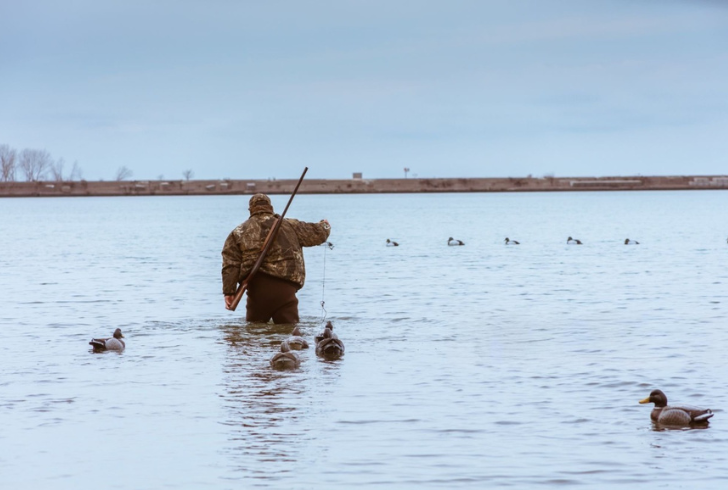
Pexels | For duck hunting, skip the basic gear and choose chest waders for maximum coverage in any water depth.
Understanding Wader Materials
The material determines how comfortable, durable, and weather-ready a pair of waders will be. Each option offers distinct benefits depending on hunting conditions.
Nylon or Polyester
Breathable waders are commonly made from nylon or polyester combined with a waterproof membrane. These models are lightweight and comfortable during mild weather. They can also perform well in cooler temperatures when layered with proper clothing underneath.
The trade-off is durability. Compared to other materials, breathable fabrics are generally more susceptible to wear from sharp vegetation or rough terrain.
Rubber
Rubber waders offer complete waterproof protection and excellent resistance against punctures and tears. They perform well in harsh environments where durability matters most.
However, rubber traps heat and limits airflow. It also restricts movement more than other materials, making extended walks less comfortable.
Neoprene
Neoprene remains one of the most preferred materials for duck hunting waders. It combines waterproof protection with natural insulation while offering excellent resistance to abrasion and repeated use. Manufacturers produce neoprene in different thickness levels, allowing hunters to choose based on seasonal temperatures.
Its main drawbacks are reduced breathability and slight buoyancy. Because of these characteristics, neoprene often performs best during cooler hunting conditions rather than warm early-season outings.
Bootfoot vs. Stockingfoot Waders
Duck hunting waders generally fall into two categories, each suited to different hunting preferences.
Bootfoot waders feature boots permanently attached to the waders. They are quick to put on and eliminate the need for separate footwear. Durable boots with cleated, slip-resistant soles provide dependable traction when walking through mud, slippery banks, or marsh bottoms.
Stockingfoot waders include neoprene booties instead of attached boots. These models are lighter and often provide a more customized fit because hunters can choose separate wading boots. Since boots are sold separately, this option usually requires an additional purchase.
Features Worth Looking For
A quality pair of duck hunting waders should fit properly and support comfortable movement throughout the hunt.
Proper Fit
Fit is one of the most important factors. Waders that are too tight create stress on seams, while oversized models may bunch up and restrict movement. Clothing layers worn underneath should always be considered before selecting a size.
Adjustable Design
Adjustable shoulder straps, buckles, or hook-and-loop fasteners help create a secure fit. Proper adjustment keeps the waders comfortable during long hours in the field and reduces unnecessary shifting while walking.
Freedom of Movement
Duck hunting involves much more than standing still. Hunters often walk through marshes, climb banks, carry equipment, and place decoys. Flexible construction allows these movements without placing excessive strain on the material.
Reliable Traction
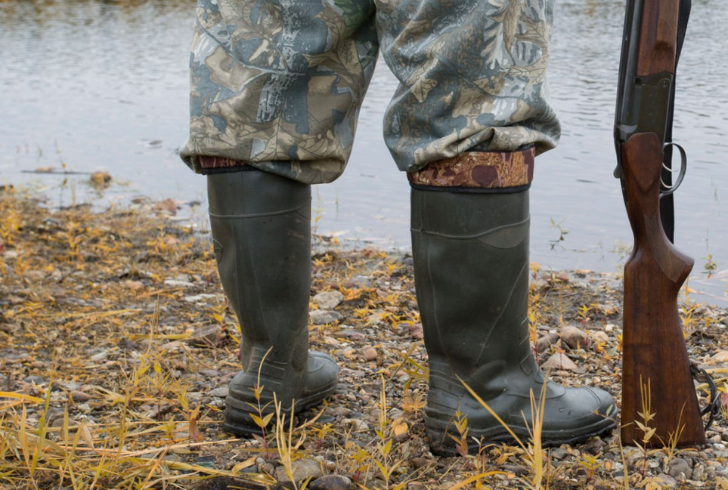
Pexels | Choose boots with dependable, cleated soles to prevent slipping on mud, wet rocks, and uneven terrain.
If boots are included, the soles should provide dependable grip on slippery mud, wet rocks, and uneven ground. Cleated soles improve stability and reduce the risk of slipping in difficult conditions.
Frequently Asked Questions
Should Duck Hunting Waders Be Insulated?
Not necessarily. Lightweight, non-insulated waders often provide greater versatility throughout the hunting season. Weather conditions can change quickly, with one day bringing freezing temperatures and the next feeling much milder.
The primary purpose of waders is to keep water out. Warmth comes from the clothing worn underneath. This layering approach allows hunters to adjust insulation based on daily conditions without overheating or excessive sweating.
How Long Do Duck Hunting Waders Last?
Service life depends on usage and maintenance. Under typical hunting conditions, a quality pair generally lasts three to four hunting seasons. Frequent use in rough environments may shorten that lifespan, while occasional use combined with proper care can extend it beyond four seasons.
How Can a Leak Be Found?
If water begins entering the waders, inspect them after they have completely dried. Concentrate on the area where moisture was noticed during use. Apply a small amount of rubbing alcohol to the inside surface of the suspected section. Any damaged area usually appears as a darker spot once the alcohol spreads across the material, making small punctures easier to identify.
Duck hunting requires gear that performs well in wet, cold, and muddy environments. Chest waders offer reliable protection in a wide range of hunting conditions. Choosing the right pair depends on factors such as material, fit, traction, and seasonal weather.
A well-selected pair improves comfort, supports easier movement, and delivers dependable performance throughout the hunting season.