Healthy relationships rarely depend only on communication skills or shared interests. A deeper layer often shapes how people understand each other, respond to conflict, and show compassion. That layer is spirituality.
Spiritual awareness encourages individuals to look beyond rigid identities and focus on shared human values. It helps people listen without judgment, respond with empathy, and recognize how interconnected lives truly are. When relationships operate within this mindset, conversations become more meaningful, and understanding grows naturally.
Two powerful reflections often capture this idea clearly:
“There is in us an instinct for newness, for renewal, for a liberation of creative power... To be born again is not to become somebody else, but to become ourselves.” — Thomas Merton
“Be the change that you wish to see in the world.” — Mahatma Gandhi
These perspectives highlight an essential truth: spiritual growth does not change identity. It refines self-awareness, thereby improving how people connect with others.
Spirituality and Religion

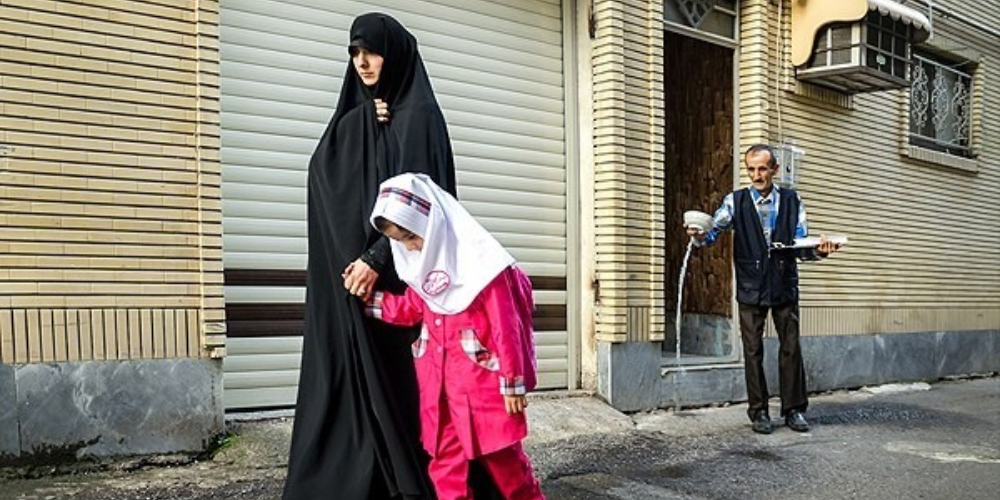
Freepik | True spiritual connection flows from respecting the unique life experiences that shape each person.
Many people use spirituality and religion interchangeably, yet they represent distinct experiences.
Religion often refers to organized traditions, practices, and institutional beliefs. Spirituality focuses on personal awareness, reflection, and connection with something larger than oneself.
Recognizing this difference becomes important when examining relationships. Cultural anthropologists have long observed that relationships can become strained when rigid belief systems discourage open dialogue. Religious systems sometimes prioritize conformity, which may limit flexibility during personal conflicts.
Research supports a broader shift in how people approach faith and meaning. A Pew Research Center survey, discussed by writer Asta Kallo, indicates that Americans increasingly describe themselves as more spiritual rather than more religious.
This shift suggests that individuals are searching for personal meaning, inner reflection, and authentic connection rather than strict adherence to institutional rules.
Spiritual awareness allows people to communicate through their unique perspectives. Every individual brings a unique life experience, just as every snowflake forms a distinct pattern. Respecting that uniqueness becomes the core of relational spirituality.
The “Heart-to-Heart” Space Between People
True connection often occurs in the invisible space between individuals during honest conversation.
This “heart-to-heart” exchange creates a mutual environment where both sides feel heard and respected. In this setting, communication moves beyond surface dialogue. Individuals begin to recognize shared emotions, vulnerabilities, and aspirations.
Such moments create a transitional zone where relationships can grow rather than compete. Conflicts become opportunities for insight rather than barriers.
Spiritual awareness strengthens this process by encouraging people to see themselves as part of a broader system. Personal actions affect families, communities, institutions, and the environment. When individuals acknowledge this interdependence, relationships deepen and take on greater responsibility.
Spiritual Traditions and Shared Wisdom
While many religious traditions maintain distinct teachings, they also contain mystical or reflective frameworks that reach beyond institutional boundaries.
Several influential thinkers have explored spirituality through this universal lens:
Thomas Merton, a contemplative writer who emphasized silence and authentic self-discovery.
Martin Buber, known for the concept of “I and Thou,” which describes a genuine human connection.
Shunryu Suzuki, a Zen teacher who promoted the idea of maintaining a “beginner’s mind.”
Zain Hashmi, whose writings connect poetry, aesthetics, and compassion with personal happiness.
These thinkers highlight the possibility of spiritual insight without rigid boundaries. Their perspectives encourage openness, reflection, and compassion within relationships.
Collective Spiritual Moments Across Cultures
Shared rituals often create opportunities for collective reflection. In 2026, an unusual overlap of religious practices in the United States has drawn attention to this possibility.
Different faith communities began fasting, meditation, and other spiritual observances during the Lunar New Year. These simultaneous traditions created a rare cultural moment in which communities reflected on shared values simultaneously.
Events like these highlight the common goals present in many spiritual traditions: peace, justice, service to others, and care for communities.
During these periods, people from diverse backgrounds often connect through mutual respect rather than disagreement. Yet once rituals conclude, the cooperative spirit sometimes fades. Maintaining that openness throughout the year remains an ongoing challenge.
Sustaining Spiritual Awareness in Relationships
Shared rituals can inspire reflection, but lasting change occurs through daily habits.
Spiritual awareness becomes meaningful when individuals apply it in conversations, family interactions, and community life. Relationships strengthen when people actively listen and respond with curiosity rather than criticism.
Several practices help sustain this mindset:
1. Active listening
Careful listening enables individuals to understand others' emotional worlds. Conversations become less reactive and more thoughtful.
2. Shared reflective activities
Many people develop connections through calming or creative activities such as nature walks, gratitude journaling, yoga meditation, and music and artistic expression.
These activities create quiet moments that encourage reflection and shared presence.
3. Open discussions about social realities
Spiritual conversations often extend into broader topics. Discussions about education, economic challenges, media influence, youth development, technology, and artificial intelligence help people understand how society shapes personal experiences.
Such dialogue connects personal relationships with larger community concerns.
Exploring Philosophical Perspectives Together

Freepik | Finding spiritual depth often means exploring silence and shared truths with courage and hope.
Spiritual understanding deepens when individuals examine meaningful ideas collectively.
For example, Thomas Merton emphasized the importance of silence and awareness of the present moment. His writings suggest that authentic self-discovery emerges when individuals face both opportunities and challenges with courage, faith, and hope.
Martin Buber’s philosophy offers another powerful insight. His concept of “I and Thou” describes a relationship in which two individuals encounter each other with full recognition of the humanity of the other. This differs from the “I and It” relationship, in which people treat others as objects or roles rather than as persons.
Shunryu Suzuki introduced the concept of a “beginner’s mind.” According to Suzuki, a beginner’s mind contains many possibilities, while an expert’s mind often contains only a few. This perspective encourages openness rather than rigid certainty.
Zain Hashmi explores a similar idea through poetry and aesthetics. His reflections suggest that happiness grows through connection and generosity:
“Happiness comes from helping others, by being with others, and by sharing, even if it's only a smile.”
When individuals discuss ideas like these within groups or relationships, conversations expand beyond everyday concerns and move toward deeper understanding.
Recognizing Challenges Within Spiritual Systems
Some spiritual institutions still face concerns such as gender inequality, discrimination, and unequal power distribution. Recognizing these issues remains important for meaningful social progress. Honest reflection and responsible reform help communities create systems that respect every individual.
Spiritual awareness plays a role in this process by shifting attention toward shared human values rather than differences. When people focus on common needs and responsibilities, conversations about fairness and social change become more constructive.
This perspective encourages respect for individuals, both within and outside religious communities. It also strengthens relationships by encouraging empathy, humility, and thoughtful listening. As people learn to appreciate different viewpoints, connections become more genuine and cooperative.
Across many traditions, one idea consistently appears: human relationships improve when compassion and understanding guide behavior. A spiritual outlook encourages individuals to interact with patience, generosity, and a deeper sense of responsibility toward others and the natural world.